


Shangchai Air Compressor F/1406000008: Engine and Air-System Checks
Shangchai Air Compressor Assembly F/1406000008: Shangchai Air Compressor Assembly F/1406000008 is an engine-driven air compressor for Shangchai diesel engine; confirm by engine nameplate, model and part number. It supplies compressed air for the equipment braking or pneumatic system. Confirm the engine nameplate and old-part details before ordering.
An air-compressor replacement affects both engine-side mounting and the machine air system. The catalog gives reference F/1406000008 for a Shangchai diesel-engine application, but it does not publish a pressure rating, compressor displacement, connector layout or complete accessory list. Use the installed assembly and engine plate to confirm the version before ordering.
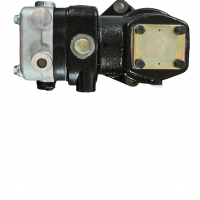
| Order check | What this record says | What the buyer should confirm |
|---|---|---|
| Part reference | F/1406000008 | Full marking and suffix from the installed item |
| Application | Shangchai diesel engine; confirm by engine nameplate, model and part number | Machine plate, serial range and diagram callout |
| Physical details | Not fully specified here | Interfaces, dimensions and connections on the original |
| Package scope | Not fully itemized here | Exact assembly and included hardware on quotation |
What does the F/1406000008 listing establish?
The product record identifies a Shangchai air compressor assembly and shows the number F/1406000008. A compressor in a diesel-equipment application supplies compressed air to a machine pneumatic system, but the listing does not identify the exact driven accessory configuration or circuit served on every machine. Check the part number and engine identity together, especially if the machine has had earlier repairs or a replacement engine.
The record names Shangchai and gives one reference. It does not define pulley or gear drive, mounting dimensions, governor arrangement, air ports, rated delivery or included fittings. Ask the supplier to confirm the specific configuration against the engine model and the old compressor. Do not infer compatibility from brand alone; engine families can have different mounting and drive details.
Which engine and compressor details should match?
A compressor can have the same general function yet differ in drive interface, mounting face, head arrangement or air connections. The page does not show those details as verified specifications. Compare the identification plate, casting marks and engine-side interface; keep port positions and any attached governor or fittings in the scope question. Do not force a replacement onto a different bracket or drive.
Record the full Shangchai engine model and serial number.
Photograph F/1406000008 and all secondary marks on the compressor.
Capture the mounting face, drive end, air ports and attached fittings.
Identify the air-system function from the machine drawing.
Ask whether the quote covers the bare compressor or a complete assembly.
What symptoms should be checked before replacing the compressor?
Low air pressure, slow build-up or unusual noise can come from leaks, a regulator, belt or gear drive, intake restriction, moisture contamination or another pneumatic component. A technician should follow the equipment procedure and test the system safely before calling the compressor defective. No delivery rate or pressure limit is stated in this catalog record.
Document when the symptom occurs, the system reading if the machine procedure permits it, and whether air loss continues after shutdown. Keep unrelated brake or control complaints separate until a qualified technician links them. A specific symptom log is more useful than presenting a suspected component as a confirmed cause.
What is a useful compressor purchasing example?
undefined
What should be inspected when the compressor arrives?
Match package and compressor markings with the confirmed order. Inspect the drive end, mounting surface and air ports for damage, and keep caps in place until installation. The technician should compare the supplied assembly with the old unit and machine service information, then follow the approved mounting, lubrication and air-system test procedure. Do not apply an assumed pressure or torque from a different engine.
How should a compressor be protected for shipment?
Protect the drive interface and threaded ports from impact and contamination. Cap openings, restrain the assembly so it cannot shift, and keep loose fittings in a labelled packet if supplied. Because the part combines machined surfaces and open air passages, prevent packing debris from entering the ports. Record label and package condition at receipt before moving it into the repair area.
Related product pages for adjacent service needs
For related engine and pneumatic service references, see the Truck Crane Air Brake Control Box Assembly - Photo Reference; Weichai WP6G210E330 Engine Assembly DHP06G0243. A related catalog page is for reference only; it does not establish fit or interchangeability.
What questions should a buyer ask about F/1406000008?
Does F/1406000008 fit every Shangchai engine?
The record gives no universal fit list. Confirm the full engine model and serial with the compressor mounting and drive details.
Is a pressure rating shown?
No. Request the specification for the verified engine and air-system application.
Are fittings or a governor included?
Package scope is not itemized. Ask for a component list and written description of the offered assembly.
Can low air pressure alone confirm compressor failure?
No. Check leaks, regulation, intake and connected pneumatic parts under the approved procedure.
What should accompany the compressor RFQ?
Send the engine plate, machine model and serial, the complete F/1406000008 marking, and clear images of the mount, drive end and every air connection. State the observed symptom separately from the suspected cause and list fittings required by the workshop. Ask the supplier to confirm assembly scope and unresolved interface details before purchase approval.
What information should stay with the work order?
Keep the quote confirmation, old compressor markings, engine identification and receiving photographs together. If the technician finds that the fault came from a regulator, line leak or another component, record that result instead of leaving the original suspicion in the fleet file as a proven failure. For repeat maintenance, this note helps the next buyer distinguish a specific compressor configuration from a general air-system request.


