


YTO Fuel Filter Assembly CX0708: Fitment and Inspection
YTO Fuel Filter Assembly CX0708 is listed for YTO equipment service. This page is a practical sourcing brief, not a substitute for an engine parts catalogue or workshop manual. The catalog record identifies the component and the number CX0708, but does not state every engine variant, dimension or package inclusion. Confirm the application with the full machine and engine identification before placing an order.
For procurement teams, the useful question is not simply whether a part is described as “YTO.” It is whether the proposed item matches the exact assembly, service condition and job scope. The checks below help a buyer, mechanic and supplier exchange the information needed to confirm that match.
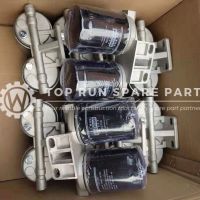
What this component does—and what the listing does not tell you
A fuel filter assembly supports filtration and may include a housing, head, hand primer, water separator or other features depending on the engine. The title supplies identifier CX0708 but does not define the included elements, filtration rating or sensor arrangement. Confirm these details from the installed unit and parts data.
Assemblies that share a general filter shape can differ in thread, flow direction, priming method, water-drain feature or sensor connection. Incorrect filtration or a leaking connection can affect fuel delivery. Never assume a particular micron rating or included element unless it is stated in the quotation.
That distinction matters in export parts purchasing. A short title is useful for finding a record, but it is not a complete technical specification. If a dimension, material, calibration, configuration, included accessory or engine serial range is not shown in the product data, treat it as unconfirmed. A buyer should ask for the missing detail rather than fill it in from a generic web description.
Identification details to collect before requesting a quotation
Read CX0708 and any housing or element markings from the existing unit. Photograph inlet/outlet ports, mounting points, primer and electrical connectors. Confirm whether the quote includes the housing, element, seals or only an assembly. Use the engine manual to verify fuel flow direction and replacement procedure. Keep fuel clean and follow fire and environmental precautions during service.
When photos are available, take one wide image that shows where the component sits and several close images of labels, castings, ports, connectors or mating surfaces. Include a scale only when it does not obscure the feature being measured. Send the original image files where possible; compressed screenshots can make stamped characters difficult to read.
A practical pre-order checklist for the workshop and buyer
Use the complete machine and engine identification rather than a shortened model description.
Cross-check the item against the correct parts diagram or service record.
Keep the removed component available until the replacement identity is confirmed.
Ask the supplier to state inclusions and exclusions on the quotation.
Photograph labels and interfaces before cleaning or disassembly.
Record measurement units and measurement locations instead of sending numbers without context.
Ask the supplier to flag any unresolved application question before dispatch.
Keep the confirmed quotation and part identification with the repair work order.
A restricted filter can be one cause of fuel starvation, but symptoms such as loss of power may also involve the tank pickup, air ingress, lift pump or injection system. A workshop should inspect the complete fuel path and record the filter status before replacing components. Careful priming and bleeding procedures matter after opening the system.
These steps do not guarantee compatibility by themselves; they create a traceable basis for a qualified fitment decision. Where the machine is safety-critical or a dimension affects engine operation, the final confirmation should come from the equipment maker’s documentation, an authorized technical source or a competent repair specialist.
Receiving inspection and installation planning
On receipt, inspect the housing and ports for impact or contamination and verify CX0708 against the order. Keep protective caps in place until installation. Use clean tools and approved replacement seals, and follow the manual for priming and air removal; do not run the engine with an unverified leak.
Before the part is installed, compare it with the approved drawing or the removed original and record any difference. Check that the work area, fasteners, seals and related consumables are ready. If the component has a calibration, torque, cleanliness, clearance or alignment requirement, use the applicable service information and suitable tools. A product page should help the buyer identify what to ask; it should not invent a setting or replace the technician’s procedure.
Example service situation: diagnose first, then source
A machine that loses power under load may prompt a filter change, but the service team first checks maintenance history, fuel quality, water contamination and signs of air entering the line. If the assembly itself is damaged, photos of its mounting and port arrangement help distinguish a housing replacement from an element-only order.
This example describes a sensible workflow, not a claimed customer case or a promise that this part will resolve a particular symptom. Diagnosis should establish the failed component before procurement commits to a replacement. If inspection reveals damage to an adjacent part, update the work order and ask the supplier to quote those items separately so the cause and repair scope remain clear.
Packaging, shipment and delivery checks
Fuel-system components must arrive clean with ports sealed. Cushion any primer or sensor connection and separate the assembly from abrasive or oily cargo. Store it in its protective wrapping until installation to reduce the chance of dust entering the fuel path.
For a consolidated export shipment, the purchase order should connect each carton to the correct item and work order. Ask for labels that preserve the visible product identity and part number, and make sure small seals, fittings or accessories are individually bagged rather than loose in a larger box. On delivery, photograph external damage, verify quantities against the packing list and report discrepancies before parts are mixed into workshop stock.
Related catalog references—use them for comparison, not substitution
These internal product pages may help organize a related maintenance request, but each is a distinct catalog record. They are not automatically interchangeable with YTO Fuel Filter Assembly CX0708. Confirm each item independently using its own engine application and part identity: YTO fuel injection pump B6AD85ZT14 and YTO electronic unit pump NDB101T.
Frequently asked questions
Does CX0708 identify the filter element or the complete housing?
The product title says assembly, but the exact supplied scope is not specified. Confirm whether housing, element, seals and sensors are included.
What is the filtration rating?
No rating is stated in this listing. Verify the specification from the engine documentation or supplier’s written product data.
Can I choose by thread size alone?
No. Confirm flow direction, mounting, primer, ports, sensors and engine application as well as thread details.
What information helps identify the right assembly?
Provide the engine plate, CX0708 marking, photos of all ports and connectors, and the current maintenance or parts-diagram reference.
What to include in your inquiry
To request availability or a quotation, send the machine model and serial information, the complete engine plate, the original number or casting mark, clear photos of the old component and any relevant dimensions. State the quantity, destination country and whether you need the component alone or a defined kit. If the part is already removed, note its condition and retain the label or packaging. The more precisely the request describes the actual assembly, the easier it is to identify unanswered fitment questions before shipment.
Top Run can review the identifying information and confirm what is available for quotation. Final compatibility should be agreed against the equipment documentation and the supplied part details before installation.


