


YTO Fuel Injection Pump B6AD85ZT14: Verify Before Ordering
YTO Fuel Injection Pump B6AD85ZT14 is listed for YTO equipment service. This page is a practical sourcing brief, not a substitute for an engine parts catalogue or workshop manual. The catalog record identifies the component and the number B6AD85ZT14, but does not state every engine variant, dimension or package inclusion. Confirm the application with the full machine and engine identification before placing an order.
For procurement teams, the useful question is not simply whether a part is described as “YTO.” It is whether the proposed item matches the exact assembly, service condition and job scope. The checks below help a buyer, mechanic and supplier exchange the information needed to confirm that match.
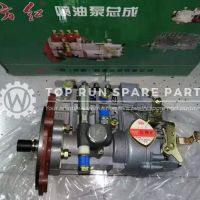
What this component does—and what the listing does not tell you
A fuel-injection pump meters and delivers fuel according to its design and calibration. The listed identifier is B6AD85ZT14, but pump identity can depend on a complete plate code, suffix, engine application and calibration data. Record the entire marking rather than truncating it to the visible base number.
A pump that bolts up may still have a different calibration, timing arrangement, governor or delivery specification. Incorrect pump selection or adjustment can cause poor operation or engine damage. Calibration should be carried out only by a qualified diesel specialist using the correct equipment and data.
That distinction matters in export parts purchasing. A short title is useful for finding a record, but it is not a complete technical specification. If a dimension, material, calibration, configuration, included accessory or engine serial range is not shown in the product data, treat it as unconfirmed. A buyer should ask for the missing detail rather than fill it in from a generic web description.
Identification details to collect before requesting a quotation
Photograph the entire pump nameplate, including all suffixes and manufacturer marks. Record the engine code and machine serial information. Compare mounting, drive coupling, fuel connections and control linkage. Ask for written confirmation of calibration/application, not just a visual match. Plan installation and timing checks with a qualified diesel-service technician.
When photos are available, take one wide image that shows where the component sits and several close images of labels, castings, ports, connectors or mating surfaces. Include a scale only when it does not obscure the feature being measured. Send the original image files where possible; compressed screenshots can make stamped characters difficult to read.
A practical pre-order checklist for the workshop and buyer
Use the complete machine and engine identification rather than a shortened model description.
Cross-check the item against the correct parts diagram or service record.
Keep the removed component available until the replacement identity is confirmed.
Ask the supplier to state inclusions and exclusions on the quotation.
Photograph labels and interfaces before cleaning or disassembly.
Record measurement units and measurement locations instead of sending numbers without context.
Ask the supplier to flag any unresolved application question before dispatch.
Keep the confirmed quotation and part identification with the repair work order.
Before ordering, establish whether the complaint is truly pump-related. Fuel contamination, air ingress, clogged filtration, injector faults, electrical stop controls and timing issues can produce similar symptoms. Keep diagnostic readings and repair history with the pump request. Do not alter sealed calibration settings in an attempt to compensate for another fault.
These steps do not guarantee compatibility by themselves; they create a traceable basis for a qualified fitment decision. Where the machine is safety-critical or a dimension affects engine operation, the final confirmation should come from the equipment maker’s documentation, an authorized technical source or a competent repair specialist.
Receiving inspection and installation planning
When the unit arrives, match every plate character to the quotation and inspect for transit damage or broken seals. Protect openings against contamination. Installation timing, bleeding and calibration checks should follow engine-specific instructions. A pump may require bench verification before it is fitted, depending on the repair scope.
Before the part is installed, compare it with the approved drawing or the removed original and record any difference. Check that the work area, fasteners, seals and related consumables are ready. If the component has a calibration, torque, cleanliness, clearance or alignment requirement, use the applicable service information and suitable tools. A product page should help the buyer identify what to ask; it should not invent a setting or replace the technician’s procedure.
Example service situation: diagnose first, then source
A workshop diagnosing hard starting records the engine plate and pump code, checks fuel supply and filter condition, then confirms timing and control-linkage status using the service procedure. When the pump is sent for assessment, the full code and symptom history travel with it. This avoids quoting a superficially similar pump with unknown calibration.
This example describes a sensible workflow, not a claimed customer case or a promise that this part will resolve a particular symptom. Diagnosis should establish the failed component before procurement commits to a replacement. If inspection reveals damage to an adjacent part, update the work order and ask the supplier to quote those items separately so the cause and repair scope remain clear.
Packaging, shipment and delivery checks
Precision pump elements and clean fuel passages require careful sealing. Keep inlet and outlet openings capped, protect the drive shaft and control linkage, and use stable cushioning. On receipt, record package condition and code before the unit enters a clean diesel-service area.
For a consolidated export shipment, the purchase order should connect each carton to the correct item and work order. Ask for labels that preserve the visible product identity and part number, and make sure small seals, fittings or accessories are individually bagged rather than loose in a larger box. On delivery, photograph external damage, verify quantities against the packing list and report discrepancies before parts are mixed into workshop stock.
Related catalog references—use them for comparison, not substitution
These internal product pages may help organize a related maintenance request, but each is a distinct catalog record. They are not automatically interchangeable with YTO Fuel Injection Pump B6AD85ZT14. Confirm each item independently using its own engine application and part identity: YTO fuel filter assembly CX0708 and YTO electronic unit pump NDB101T.
Frequently asked questions
Is B6AD85ZT14 enough to confirm fitment?
Use it as a key identifier, but confirm the complete pump plate, engine code, mounting and calibration application with the supplier or diesel specialist.
Can I adjust the pump after installation by trial and error?
No. Fuel-pump timing and calibration require the correct specifications and equipment. Use a qualified diesel technician.
Could a blocked filter cause similar symptoms?
Yes. Check filtration, fuel supply and air ingress as part of diagnosis before concluding the pump has failed.
What should be included in a quotation request?
Send the complete pump label, engine plate, machine model, connection and mounting photos, symptoms and the requested supply scope.
What to include in your inquiry
To request availability or a quotation, send the machine model and serial information, the complete engine plate, the original number or casting mark, clear photos of the old component and any relevant dimensions. State the quantity, destination country and whether you need the component alone or a defined kit. If the part is already removed, note its condition and retain the label or packaging. The more precisely the request describes the actual assembly, the easier it is to identify unanswered fitment questions before shipment.
Top Run can review the identifying information and confirm what is available for quotation. Final compatibility should be agreed against the equipment documentation and the supplied part details before installation.


